
Commission hears testimony, including from judge, on 2 complaints against Billings lawyer


Attorney Solomon Neuhardt
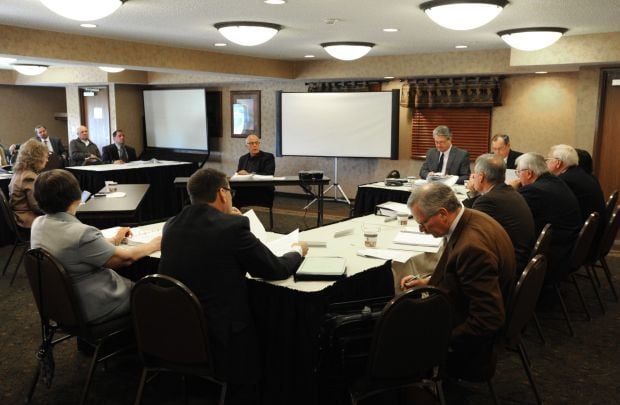
Attorney Solomon Neuhardt appears before the state’s Commission on Practice at the Best Western Plus Kelly Inn and Suites on Thursday.
2014-04-25T13:00:00Z 2014-04-25T13:05:21Z Commission hears testimony, including from judge, on 2 complaints against Billings lawyer missoulian.com
A Billings lawyer with a track record of disciplinary problems and who is to be publicly censured next week by the Montana Supreme Court faced a state panel on two more misconduct complaints on Thursday.
During a daylong session, the state’s Commission on Practice heard evidence in two cases against Solomon Neuhardt, a personal injury lawyer, including testimony from state District Judge Gregory Todd of Billings.
Todd said as a judge, he had never filed an ethics complaint against an attorney until filing one last year against Neuhardt. The judge said he presided over a case in which Neuhardt represented a woman charged with felony criminal endangerment and drunken driving. The client had crashed her vehicle into a house in August 2012. The woman eventually pleaded guilty and was given a three-year deferred sentence.
Neuhardt was “making impossible legal arguments” in the case and refused to understand the law, the judge said.
“Some of it was the attitude and arrogance that Mr. Neuhardt declared in spite of weak or nonexistent legal arguments,” Todd said.
“I think Mr. Neuhardt was bilking his client,” the judge told the panel.
Attorneys for the state’s Office of Disciplinary Council, who investigated the two complaints against Neuhardt, recommended that Neuhardt be suspended for one year in the complaint filed by Todd and that he be disbarred in a second case. The second complaint alleged that Neuhardt mishandled money in two personal injury cases.
“Mr. Neuhardt has had a disgraceful legal career. Mr. Neuhardt should be disbarred,” Shaun Thompson, chief disciplinary counsel for the ODC, told the panel in the personal injury case.
Neuhardt, who represented himself, offered no defense in either case. He called no witnesses and gave no closing statements. However, he questioned some of ODC’s witnesses.
Neuhardt had no comment about the proceedings but said he has “other opportunities.”
Ward E. “Mick” Taleff, commission chairman and a Great Falls attorney, said the commission will take the cases under advisement and make its recommendations soon to the Supreme Court. Nine members of the commission heard the evidence against Neuhardt. The Supreme Court ultimately makes the decision on whether to discipline a lawyer.
In the case involving Todd’s complaint, Neuhardt tried unsuccessfully to get the criminal charges dismissed. Todd denied the dismissal “with a vociferous challenge to the nonexistent factual and legal basis,” the complaint said.
Neuhardt’s motion to dismiss and supporting briefs were “without merit and frivolous” and were trying to use civil remedies in a criminal case, the complaint alleged. Neuhardt’s conduct also wasted court and prosecution resources, the ODC said.
Jon Moog, ODC’s deputy counsel, asked Todd if he would be surprised to learn Neuhardt’s client had paid $6,500 for representation.
“Wow, that’s a lot. Yes, it would surprise me,” Todd responded.
Todd, when questioned by Neuhardt, said he had “no idea” what the going rate was for a felony criminal endangerment and a DUI case.
But, the judge continued, if Neuhardt had investigated the case he “would have known or should have known” that his arguments were not going to succeed.
“Virtually all of your arguments were not based in law or fact,” Todd told Neuhardt.
In the second case, Thompson called several witnesses and presented financial records in a case alleging that Neuhardt mishandled money he received from insurance companies on behalf of two clients injured in motor vehicle accidents and that he failed to keep his clients informed about their cases.
In another earlier case, Neuhardt is facing public censure on April 29 in Helena before the Supreme Court and a 90-day suspension from practice beginning on June 2. The court ordered the disciplinary action after finding Neuhardt engaged in a conflict of interest by representing a couple during a drug investigation in 2007.
Public censure is one step below disbarment.
Next week’s censure will be the fourth time Neuhardt has been disciplined for complaints. He was suspended in 2007, publicly censured in 2011 and publicly admonished by the commission in 2013.
In 2011, Neuhardt told The Gazette he was “leaving the law and never coming back.”
Neuhardt said Thursday he left the state in 2011 for about six months and went to South Carolina where he managed a financial company. He said he decided to return to Billings two or three years ago and “did well.” Neuhardt has been a member of the State Bar of Montana since 2001.
During a daylong session, the state’s Commission on Practice heard evidence in two cases against Solomon Neuhardt, a personal injury lawyer, including testimony from state District Judge Gregory Todd of Billings.
Todd said as a judge, he had never filed an ethics complaint against an attorney until filing one last year against Neuhardt. The judge said he presided over a case in which Neuhardt represented a woman charged with felony criminal endangerment and drunken driving. The client had crashed her vehicle into a house in August 2012. The woman eventually pleaded guilty and was given a three-year deferred sentence.
Neuhardt was “making impossible legal arguments” in the case and refused to understand the law, the judge said.
“Some of it was the attitude and arrogance that Mr. Neuhardt declared in spite of weak or nonexistent legal arguments,” Todd said.
“I think Mr. Neuhardt was bilking his client,” the judge told the panel.
Attorneys for the state’s Office of Disciplinary Council, who investigated the two complaints against Neuhardt, recommended that Neuhardt be suspended for one year in the complaint filed by Todd and that he be disbarred in a second case. The second complaint alleged that Neuhardt mishandled money in two personal injury cases.
“Mr. Neuhardt has had a disgraceful legal career. Mr. Neuhardt should be disbarred,” Shaun Thompson, chief disciplinary counsel for the ODC, told the panel in the personal injury case.
Neuhardt, who represented himself, offered no defense in either case. He called no witnesses and gave no closing statements. However, he questioned some of ODC’s witnesses.
Neuhardt had no comment about the proceedings but said he has “other opportunities.”
Ward E. “Mick” Taleff, commission chairman and a Great Falls attorney, said the commission will take the cases under advisement and make its recommendations soon to the Supreme Court. Nine members of the commission heard the evidence against Neuhardt. The Supreme Court ultimately makes the decision on whether to discipline a lawyer.
In the case involving Todd’s complaint, Neuhardt tried unsuccessfully to get the criminal charges dismissed. Todd denied the dismissal “with a vociferous challenge to the nonexistent factual and legal basis,” the complaint said.
Neuhardt’s motion to dismiss and supporting briefs were “without merit and frivolous” and were trying to use civil remedies in a criminal case, the complaint alleged. Neuhardt’s conduct also wasted court and prosecution resources, the ODC said.
Jon Moog, ODC’s deputy counsel, asked Todd if he would be surprised to learn Neuhardt’s client had paid $6,500 for representation.
“Wow, that’s a lot. Yes, it would surprise me,” Todd responded.
Todd, when questioned by Neuhardt, said he had “no idea” what the going rate was for a felony criminal endangerment and a DUI case.
But, the judge continued, if Neuhardt had investigated the case he “would have known or should have known” that his arguments were not going to succeed.
“Virtually all of your arguments were not based in law or fact,” Todd told Neuhardt.
In the second case, Thompson called several witnesses and presented financial records in a case alleging that Neuhardt mishandled money he received from insurance companies on behalf of two clients injured in motor vehicle accidents and that he failed to keep his clients informed about their cases.
In another earlier case, Neuhardt is facing public censure on April 29 in Helena before the Supreme Court and a 90-day suspension from practice beginning on June 2. The court ordered the disciplinary action after finding Neuhardt engaged in a conflict of interest by representing a couple during a drug investigation in 2007.
Public censure is one step below disbarment.
Next week’s censure will be the fourth time Neuhardt has been disciplined for complaints. He was suspended in 2007, publicly censured in 2011 and publicly admonished by the commission in 2013.
In 2011, Neuhardt told The Gazette he was “leaving the law and never coming back.”
Neuhardt said Thursday he left the state in 2011 for about six months and went to South Carolina where he managed a financial company. He said he decided to return to Billings two or three years ago and “did well.” Neuhardt has been a member of the State Bar of Montana since 2001.
Copyright 2014 missoulian.com. All rights reserved. This material may not be published, broadcast, rewritten or redistributed.

